Culture & Etiquette
Understanding a few customs will help you travel confidently and respectfully.
Basics
- Shoes off when entering homes, ryokan and some restaurants. Look for slippers provided.
- Quiet voices on public transport; phone calls are discouraged on trains.
- Cash friendly: cards are common, but carry cash for small shops and shrines.
- Respect queues and stand on the correct side of escalators (left in Tokyo, right in Osaka).
Traditional Arts
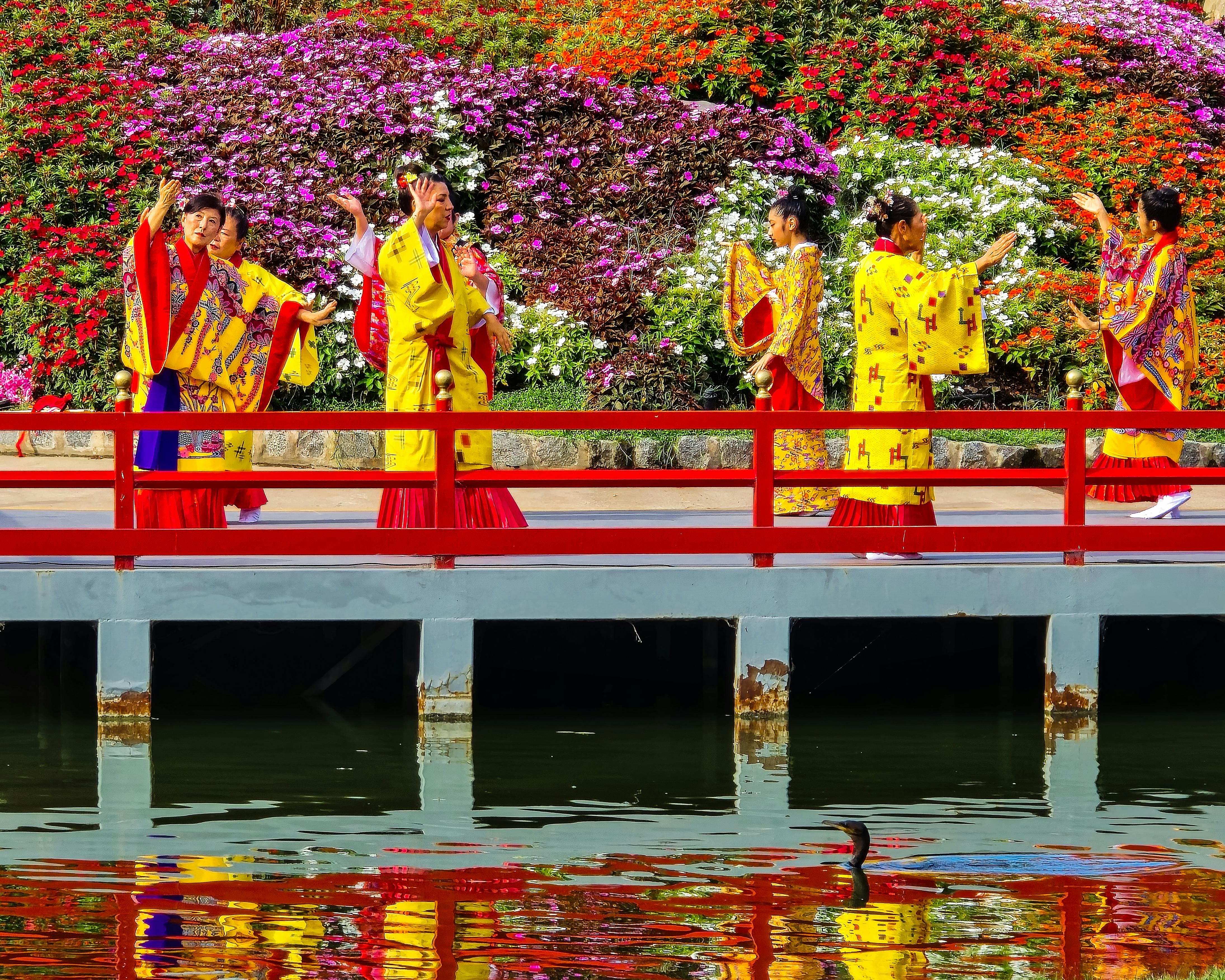
Witness tea ceremony, kabuki theatre, noh drama, or learn ikebana flower arranging. Many venues offer English support.
- Tea Ceremony
- Whisk matcha in serene Kyoto at En (¥3,000, 45 min) or Tokyo’s Hotel Chinzanso (¥5,500). English guidance included.
- kabuki theatre
- Catch a single act at Ginza’s Kabuki-za (¥2,000). Rent earphone guides (¥700) for real-time translations of dramatic mie poses.
- Noh Drama
- Ancient masked performance at National Noh Theatre (¥2,500–¥6,000). English subtitles projected on-screen.
- Ikebana Flower Arranging
- 90-min hands-on class at Ohara School in Aoyama (¥4,000). Create & take home your minimalist masterpiece.
Shrines and Temples
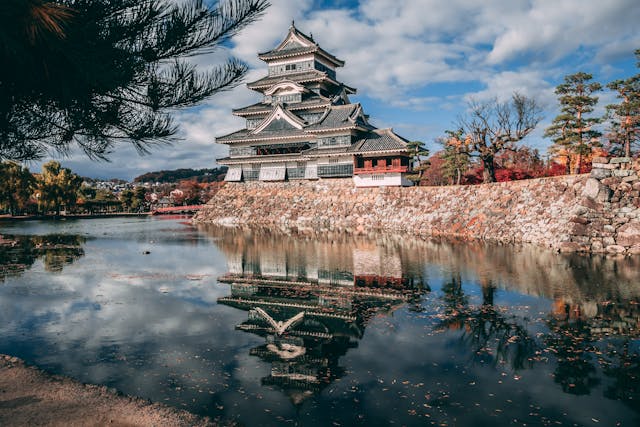
Purify hands and mouth at a water basin before approaching. Photography is usually fine outdoors but check for signs in worship halls.
- Purification (Chōzu)
- At the chōzuya basin: scoop water with the ladle (right hand → left → mouth rinse → ladle upright). No soap, no splashing.
- Approach
- Bow once at the gate. Walk on the sides of the path—center is for the gods.
- At shrines: bow twice, clap twice, make your wish, bow once more. At temples: bow once, make your wish, bow again.
- Offering
- Toss ¥5 coin, bow twice, clap twice, bow once (Shinto).
- Temples: just hands together, no clap.